

Dr. Jennifer
Dr. Jennifer
Kryszak
Kryszak
It’s an awe-inspiring moment. Moses heads up Mount Sinai to meet with God. God passes by and declares God’s nature, God’s identity – “a merciful and gracious God, slow to anger and rich in kindness and fidelity” (Exodus 34:6).
Moses does what many of us would do. He worships God.
It is Moses’ next response that I find awe-inspiring. Moses invites God to journey with the Israelites. His invitation is honest and raw. They are a stiff-necked people. They are sinful. And yet, Moses asks God to receive the people.
And God does.
Today we celebrate the Solemnity of the Most Holy Trinity and ponder the nature of God. The readings encourage us to reflect on who our God is – Creator, Redeemer, and Sustainer. The Trinity itself is a mystery that we as humans cannot fully understand. And yet, we are called to contemplate the relationship of the three persons of the Trinity and embody their relationship in our lives.
This is in part why I find Moses’ reaction to God awe-inspiring. Moses opens himself to relationship with God in the hope that God will receive the people as God’s own. This includes a recognition of who Moses is and who the Israelites are. Moses does not mince words. They are a deeply flawed and imperfect people.
And yet, Moses trusts in the presence of God.
This openness to relationship with God requires assessment of who we truly are and what it means to believe in and follow the Triune God.
Relationships take work. We hear this again in Paul’s second letter to the Corinthians. “Brothers and sisters, rejoice. Mend your ways, encourage one another, agree with one another, live in peace, and the God of love and peace will be with you” (2 Corinthians 13:11). Paul notes that the call to be in relationship with God requires that we are in relationship with one another – that we mend our ways and move our daily lives in the direction of peace.
We live at a time of great unrest and conflict within our nation and across the world. Violence and war are normalized, accepted, and even praised by political leaders. Gun violence remains the number one killer of our children. Domestic violence and suicide plague our society, cutting short the lives of our family and friends.
Distrust and fear of conflict paralyze us before conversations or relationships can even begin. We know what is right, and we know what is wrong with those who disagree with us. We hold our beliefs tight and restrict our vision, our willingness to see God at work in others.
What does it mean to live in peace with one another at a time when there is so much division and violence? Does it mean that you avoid difficult conversations with family members who disagree with you? Does it mean that we ignore our role as citizens within a democracy in order to maintain a semblance of peace in our families, communities, and nation?
This is not the peace that God calls us to. True peace requires knowledge, understanding, and action. To live in peace means that we are aware of the fear, pain, and isolation of individuals and communities. It requires that we are open to challenging conversations that enable us to see another person’s point of view. It means recognizing our imperfections and when we are the ones isolating and harming others.
Peace means that we work with and advocate for vulnerable communities, encouraging our elected officials to enact policies that value life over profit. It means that we recognize and respond to our nation’s role in conflicts around the world. As we mend our ways, we challenge ourselves to collaborate and develop practices that connect, honor, and nurture.
Like the Israelites and the Corinthians, we are called to deeper relationship with God and with each other. “Mend your ways. . . . live in peace, and the God of love and peace will be with you” (2 Corinthians 13:11).
We cannot be at peace with God if we are not at peace with ourselves and others.
The gospel assures us that Christ did not come to condemn the world but so “that the world might be saved through him” (John 3:17). In his life, Jesus shows us the way to salvation – a life of deep trust in God, one lived in peace and love. Throughout his ministry, Jesus demonstrated a deep knowledge of people, including the religious and political leaders of his day. This did not lead him to avoid, denigrate, or harm those with whom he disagreed; rather he chose the way of peace and nonviolence, continually inviting others to join him.
Today and every day, we are invited into deeper relationship with the Most Holy Trinity. Like Moses, do we ask God to receive us as God’s people? Do we mend our ways and live in peace and nonviolence?
At a time of such conflict in our society and world, contemplating the Most Holy Trinity and responding with openness takes courage and faithfulness. May we have the audacity to ask God to receive us as God’s people and the willingness and commitment to mend our ways and live in peace and nonviolence.
Dr. Jennifer Kryszak
Dr. Jennifer Kryszak
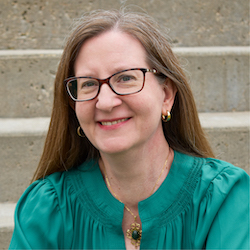
Dr. Jennifer Kryszak is the Director of Strategic Planning for the Franciscan Peace Center, a ministry of the Sisters of St. Francis, Clinton, Iowa. In her position, Jennifer promotes peacemaking and active nonviolence through education and advocacy for social and ecological justice. She serves on the steering committee for Nuns Against Gun Violence, a coalition of Catholic Sisters and their allies that affirms the value of human life through prayer, education, and advocacy for common sense, evidence-based gun violence prevention.
Dr. Kryszak earned an A.B. in religion and English from Augustana College (Rock Island, IL) and a M.A. in theology from the Graduate Theological Union. She holds a Ph.D. in religion from Duke University, where her ethnographic research focused on the intersection of visual practices and ecclesiology in a women religious congregation’s mission for social and ecological justice.
Prior to joining the Franciscan Peace Center, Jennifer served as assistant professor of theological & ministerial studies at St. Thomas University in Miami Gardens, Florida. Before beginning doctoral work, she taught high school outside of Chicago.
Jennifer lives in Illinois with her husband and daughter.

October 17 at 7pm ET: Join Catholic Women Preach, FutureChurch, contributors to the Year C book, and co-editors Elizabeth Donnelly and Russ Petrus as we celebrate the release of the third and final volume of this ground-breaking, award winning series.
"Catholic Women Preach is one of the more inspiring collection of homilies available today. Based on the deep spirituality and insights of the various women authors, the homilies are solidly based on the scriptures and offer refreshing and engaging insights for homilists and listeners. The feminine perspective has long been absent in the preached word, and its inclusion in this work offers a long overdue and pastorally necessary resource for the liturgical life of the Church." - Catholic Media Association
Advertise with Catholic Women Preach: email Russ at russ@futurechurch.org
